The Inventory Between Depots: A Regional Spares Safety Net for Smaller Fleets
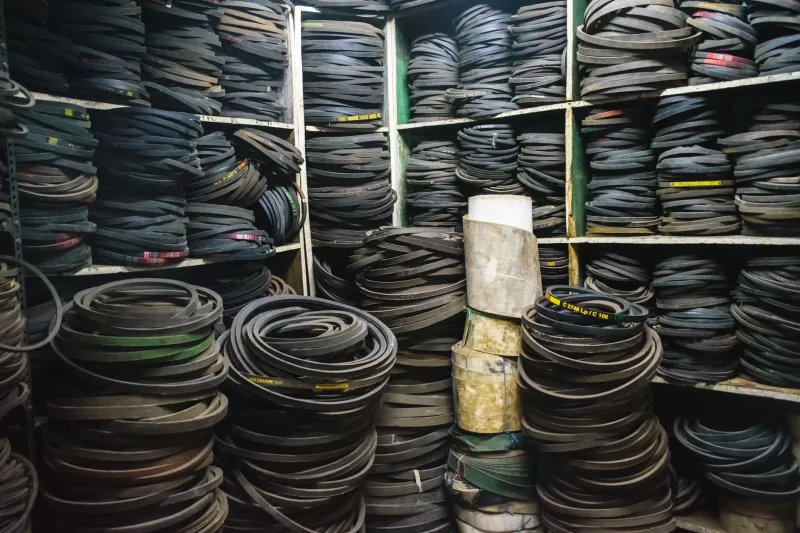
A vehicle does not have to suffer a catastrophic failure to leave the timetable. Often it is a sensor, a valve, a bespoke panel or a brake component that decides whether a bus enters service on Monday morning. For smaller operators, the difficulty is not usually diagnosing the fault. It is finding the part, at a sensible price, before the lost mileage turns into lost passengers and lost contract income.
In 2026, supply chains are more predictable than they were in the immediate post-pandemic period, but the improvement is uneven. Large fleets can absorb delays through scale, dedicated stores and commercial leverage. Smaller bus companies, community transport providers and specialist fleet operators often cannot. They hold less stock, buy in lower volumes and have fewer vehicles to cover an absent unit. The result is a familiar pattern: a relatively minor component becomes a disproportionately large operational problem.
Why a missing part becomes a regional problem
It is tempting to treat spares as a workshop matter. That framing is too narrow. A community transport minibus off the road may remove a lifeline service for older residents. A specialist accessible vehicle out of action may delay essential journeys. A small bus operator short of a replacement part may cancel a supported route, disrupt school transport or reduce frequency on a market-day service.
Those effects are felt locally, but they accumulate into a regional development issue. Transport that works only when nothing goes wrong is not resilient infrastructure. It is a collection of services vulnerable to ordinary wear and tear. If regional strategy is serious about access to work, education, health and social contact, then the availability of critical spares deserves attention alongside route design and vehicle procurement.
Begin with a critical-spares list, not a warehouse
Smaller operators cannot replicate a large depot store, and they should not try. The practical starting point is a critical-spares list: a short, disciplined inventory of components that are most likely to take a vehicle out of service and take too long to replace.
The list should be built from evidence rather than habit. Operators can review recent vehicle-off-road events by part, lead time and operational impact. Items that are cheap, readily available and easily sourced may not need local stock. Items that are vehicle-specific, slow to arrive or essential to safety and service delivery may justify a small buffer.
A sensible list might include common sensors, relays, valves, brake consumables, filters, wiper assemblies and selected body or accessibility components, depending on the fleet. The point is not to stock everything. It is to distinguish between inconvenience and immobilisation. A quarterly review, using maintenance records and supplier lead times, keeps the list relevant as vehicles age and suppliers change.
Shared stock without shared confusion
Pooling a small number of critical parts between neighbouring operators can be effective, but only if the arrangement is clear. Informal borrowing works until it does not: the part is not returned, the wrong item is taken, or no one knows who owns the stock.
A simple shared-stock agreement should record ownership, storage location, access arrangements, loan and return rules, and a process for audit. It does not need to be elaborate. A memorandum of understanding between two or three operators, supported by a shared spreadsheet or a basic inventory system, can be enough for a pilot.
Regional partners can help broker such arrangements. Community transport associations, local authorities and combined authority transport teams are often well placed to convene operators, identify a host site and clarify governance. The aim is not to create a new bureaucracy. It is to turn isolated holdings of rarely used parts into a modest regional safety net.
Supplier agreements that reflect real volumes
Shared stock addresses the immediate gap. Joint procurement addresses the underlying commercial disadvantage. Smaller operators buying individually rarely have the leverage to secure preferential stockholding, emergency call-off arrangements or meaningful delivery commitments.
Aggregated demand changes that conversation. A group of operators, or an operator working through a local authority framework, can approach suppliers with a clearer picture of annual usage. Agreements can then specify stockholding by the supplier, delivery service levels, emergency response and a transparent price mechanism.
Lowest unit price should not be the only test. The cost of a vehicle off the road — lost revenue, replacement hire, cancelled service, administrative time — often exceeds the saving from a cheaper but slower supplier. Consignment stock, where appropriate, can also reduce the operator's working capital burden while keeping critical items closer to the point of use.
Maintenance data as a shared asset
Better data makes all of this easier. Operators should record part numbers, failure mileage or running hours, lead times, suppliers and downtime. Even a modest maintenance system can reveal patterns: which components fail repeatedly, which vehicles are disproportionately demanding and which lead times are becoming unreliable.
Anonymised, aggregated data can be shared among cooperating operators without exposing commercially sensitive information. The result is better forecasting and stronger negotiation. It also allows a regional group to make a credible case to suppliers and funders about what resilience actually costs.
The procurement case for cooperation
Cooperation on spares is not a workaround for poor maintenance. It is a procurement strategy suited to smaller fleets. It requires governance, transparency and proper records, particularly where public funding or public sector partners are involved. But those requirements are manageable and proportionate.
Seen through a regional development lens, the argument is straightforward. Reliable transport services depend on vehicles that can be repaired promptly. Smaller operators are often the ones serving thinner markets and more dispersed communities. Helping them hold the right parts, share the right stock and negotiate the right agreements is a practical way to protect service continuity. It is also a way to support local supply chains and small transport businesses.
A practical sequence for 2026
Operators considering action can begin with a focused sequence: identify the top critical parts by operational impact; audit current stock and lead times; talk to neighbouring operators about a small shared kit; agree simple rules for ownership and return; approach suppliers jointly where volumes justify it; and review the data each quarter.
None of this removes the risk of parts delays. It does, however, reduce the chance that a routine component failure becomes a cancelled service. For smaller fleets, resilience will rarely come from owning more. It will come from knowing what matters, sharing what can be shared and negotiating together where the numbers are otherwise too small to count.